
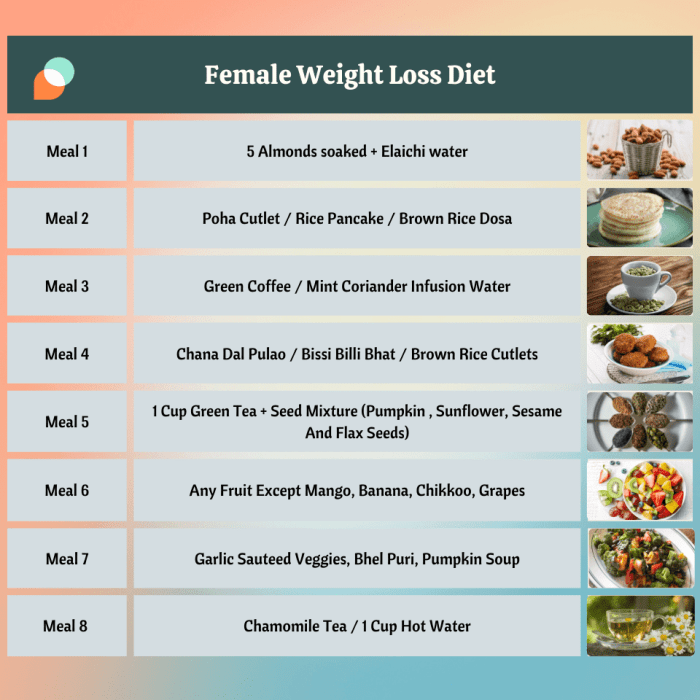
Are you tired of trying different diets without seeing results? Look no further! Dive into the world of the best diet for weight loss and discover the key to achieving your fitness goals.
From understanding calorie deficits to exploring popular diets like Keto and Paleo, get ready to embark on a journey towards a healthier you.
Best Diet for Weight Loss
When it comes to weight loss, one of the key factors to consider is maintaining a calorie deficit. This means consuming fewer calories than your body burns, which forces it to tap into stored fat for energy, resulting in weight loss.
Popular Diets for Weight Loss
- Keto Diet: The ketogenic diet focuses on high fat, moderate protein, and very low carb intake. By putting the body in a state of ketosis, it encourages fat burning for energy, making it effective for weight loss.
- Paleo Diet: The paleo diet emphasizes whole foods, lean proteins, fruits, and vegetables while avoiding processed foods, grains, and dairy. This can lead to weight loss by promoting a nutrient-rich, whole-food-based diet.
- Mediterranean Diet: The Mediterranean diet is rich in fruits, vegetables, whole grains, fish, and healthy fats like olive oil. It has been linked to weight loss and improved overall health due to its balance of nutrients and focus on plant-based foods.
Importance of Balanced Nutrition
A key aspect of any weight loss diet is ensuring balanced nutrition. This means getting a variety of nutrients from different food groups to support overall health and weight loss goals. A balanced diet can help regulate hunger, provide essential nutrients, and promote sustainable weight loss in the long term.
Diseases STDs
Sexually transmitted diseases (STDs) are infections that are spread through sexual contact. They can affect anyone who is sexually active and can lead to serious health complications if left untreated.
Common STDs and Symptoms
- Chlamydia: Symptoms may include abnormal discharge, painful urination, and pelvic pain.
- Gonorrhea: Symptoms can include unusual discharge, painful urination, and pelvic pain.
- Syphilis: Symptoms may start with a painless sore, followed by a rash, fever, and fatigue.
- Herpes: Symptoms can include painful sores and flu-like symptoms.
- HPV (Human Papillomavirus): Symptoms may include genital warts or abnormal Pap smear results.
Importance of Safe Sex Practices
Practicing safe sex, such as using condoms consistently and correctly, can greatly reduce the risk of contracting STDs. It is important to communicate openly with sexual partners about STD history and get tested regularly.
Implications of Untreated STDs
- Infertility: Some untreated STDs can lead to infertility in both men and women.
- Chronic Pain: STDs like herpes can cause chronic pain and discomfort.
- Cancer: HPV can lead to cervical, anal, and other types of cancer if left untreated.
- Increased Risk of HIV: Having an untreated STD can increase the risk of contracting HIV.
Health Acne
Acne is a common skin condition that occurs when hair follicles become clogged with oil and dead skin cells. It can be caused by hormonal changes, genetics, bacteria, and inflammation. Factors that can worsen acne include stress, certain medications, and using harsh skincare products.
Skincare Tips for Acne
- Cleanse your face twice a day with a gentle cleanser to remove excess oil and dirt.
- Avoid picking or popping pimples as it can lead to scarring and further inflammation.
- Use non-comedogenic skincare products that won’t clog pores.
- Consider using over-the-counter acne treatments with ingredients like salicylic acid or benzoyl peroxide.
- Moisturize your skin regularly to prevent dryness and irritation.
Connection Between Diet and Acne Breakouts
Certain foods can trigger acne breakouts in some individuals. High-glycemic foods like white bread, sugary snacks, and dairy products have been linked to worsening acne. It is important to maintain a balanced diet rich in fruits, vegetables, whole grains, and lean proteins to support overall skin health. Drinking plenty of water and avoiding excessive consumption of greasy or processed foods can also help improve acne-prone skin.
Hand Wrist Pain
Hand and wrist pain can be quite debilitating and affect daily activities. It is essential to understand the common causes of this discomfort, as well as ergonomic practices and exercises to alleviate the pain.
Common Causes of Hand and Wrist Pain
- Prolonged computer use or repetitive activities
- Arthritis or carpal tunnel syndrome
- Injuries such as sprains or fractures
Ergonomic Practices for Preventing Hand and Wrist Pain
Proper ergonomics can help reduce strain on the hands and wrists. Here are some tips:
- Ensure your workstation is set up correctly, with the keyboard and mouse at the right height
- Take regular breaks to stretch and move around
- Use proper wrist support while typing or using the mouse
- Avoid gripping objects too tightly
Exercises and Stretches to Alleviate Hand and Wrist Discomfort
Regular stretching and strengthening exercises can help improve flexibility and reduce pain. Here are some exercises to try:
- Wrist flexor stretch: Hold your arm out with the palm facing down and gently bend the wrist down with the other hand
- Finger extension: Hold your hand out with fingers straight, then bend them down and back up
- Wrist circles: Rotate your wrists in circles, both clockwise and counterclockwise
Health Arthritis
Arthritis is a common condition that causes pain and inflammation in the joints. There are different types of arthritis, each with its own set of symptoms and treatment options. Understanding the type of arthritis you have is essential for managing the condition effectively.
Osteoarthritis
Osteoarthritis is the most common type of arthritis, often referred to as “wear and tear” arthritis. It occurs when the protective cartilage that cushions the ends of your bones wears down over time. Symptoms include joint pain, stiffness, and swelling. Treatment options may include pain medications, physical therapy, and lifestyle changes such as weight loss and exercise.
Rheumatoid Arthritis
Rheumatoid arthritis is an autoimmune disorder that causes the body’s immune system to mistakenly attack the joints. Symptoms include joint pain, swelling, and stiffness, often affecting multiple joints. Treatment usually involves medications to reduce inflammation and slow the progression of the disease.
Gout
Gout is a type of arthritis caused by the buildup of uric acid crystals in the joints. Symptoms include sudden and severe joint pain, often in the big toe. Treatment may involve medications to lower uric acid levels and reduce pain during flare-ups.
Psoriatic Arthritis
Psoriatic arthritis is a type of arthritis that affects some people with psoriasis, a skin condition. Symptoms include joint pain, swelling, and stiffness, along with skin changes. Treatment may involve medications to reduce inflammation and manage symptoms.
Tips for Managing Arthritis
- Stay active with low-impact exercises like swimming or walking
- Maintain a healthy weight to reduce stress on your joints
- Eat a balanced diet rich in fruits, vegetables, and omega-3 fatty acids
- Use assistive devices or tools to reduce strain on your joints
- Practice relaxation techniques to manage stress and pain
Quit Smoking
Quitting smoking is one of the most important steps you can take for your health. Smoking not only affects your lungs but also increases your risk of developing various diseases such as lung cancer, heart disease, and respiratory issues. It can also have negative effects on your skin, teeth, and overall well-being.
Health Risks Associated with Smoking
- Smoking can cause lung cancer, chronic obstructive pulmonary disease (COPD), and other respiratory issues.
- It increases the risk of heart disease and stroke due to the damage it causes to blood vessels and the heart.
- Smoking can lead to skin aging, wrinkles, and other skin problems due to reduced blood flow and oxygen to the skin.
- It can also cause tooth decay, gum disease, and oral health issues.
Strategies and Resources to Quit Smoking
- Consider nicotine replacement therapy, such as patches, gum, or lozenges, to help manage cravings.
- Join a support group or counseling program to receive guidance and motivation from others going through the same process.
- Set a quit date and gradually reduce your smoking leading up to that day.
- Find alternative activities to keep your hands and mouth busy, such as chewing gum or eating healthy snacks.
Success Stories of Quitting Smoking
“I smoked for 20 years before deciding to quit. With the support of my family and using nicotine patches, I have now been smoke-free for 5 years and feel healthier than ever.”
“After multiple failed attempts, I finally managed to quit smoking by joining a support group. Having people to talk to and share my struggles with made all the difference in my journey to becoming smoke-free.”
Health Nutrition
Eating a balanced diet is crucial for overall health and well-being. A balanced diet provides the necessary nutrients that our body needs to function properly and maintain optimal health.
Key Nutrients for Optimal Health
- Protein: Important for muscle repair and growth, as well as overall body function.
- Carbohydrates: Main source of energy for the body, essential for brain function and physical activity.
- Fats: Essential for absorbing certain vitamins and maintaining cell function.
- Vitamins and minerals: Play a crucial role in various bodily functions, including immune system support, bone health, and energy production.
- Fiber: Important for digestive health and helps in maintaining a healthy weight.
Tips for Meal Planning
- Include a variety of fruits, vegetables, whole grains, lean proteins, and healthy fats in your meals.
- Aim for colorful plates to ensure you’re getting a good mix of nutrients.
- Limit processed foods, sugary drinks, and excessive salt intake.
- Stay hydrated by drinking plenty of water throughout the day.
- Plan your meals ahead of time to avoid unhealthy food choices when you’re hungry.
Health Thyroid
Thyroid disorders are common conditions that affect the thyroid gland, a small butterfly-shaped gland located in the front of the neck. Two of the most common thyroid disorders are hypothyroidism and hyperthyroidism.
Common Thyroid Disorders
- Hypothyroidism: This condition occurs when the thyroid gland does not produce enough thyroid hormones, leading to symptoms such as fatigue, weight gain, and sensitivity to cold.
- Hyperthyroidism: In contrast, hyperthyroidism is when the thyroid gland produces an excess of thyroid hormones, causing symptoms like weight loss, rapid heartbeat, and heat intolerance.
Symptoms, Diagnosis, and Treatment
- Symptoms: Both hypothyroidism and hyperthyroidism can present with a variety of symptoms, including changes in weight, mood swings, and changes in energy levels.
- Diagnosis: Thyroid disorders are typically diagnosed through blood tests to measure thyroid hormone levels and imaging tests like ultrasounds or radioactive iodine scans.
- Treatment: Treatment options for thyroid conditions vary depending on the specific disorder but may include medications, radioactive iodine therapy, or surgery.
Diet and Lifestyle Support
Proper diet and lifestyle choices can play a significant role in supporting thyroid health. Consuming foods rich in iodine, selenium, and zinc can help support thyroid function. Additionally, managing stress levels, getting regular exercise, and getting enough sleep are essential for overall thyroid health.
Developmental Disabilities
Developmental disabilities are a group of conditions due to an impairment in physical, learning, language, or behavior areas. Two common types of developmental disabilities are autism and Down syndrome.
Challenges Faced by Individuals with Developmental Disabilities
- Difficulty in communication and social interaction
- Challenges in daily living activities
- Educational barriers and learning difficulties
- Stigma and discrimination
Resources and Support for Individuals with Developmental Disabilities
- Special education programs and services
- Occupational therapy and speech therapy
- Support groups for families and caregivers
- Government assistance and disability benefits
Health Autism
Autism Spectrum Disorder (ASD) is a complex developmental condition that affects communication, social interaction, and behavior. Individuals with ASD may have difficulty with social cues, repetitive behaviors, and sensory sensitivities.
Early Signs of Autism
- Delayed speech or lack of speech development.
- Difficulty with social interactions and forming relationships.
- Repetitive behaviors or routines.
- Sensory sensitivities to light, sound, touch, or taste.
Importance of Early Intervention
Early intervention for autism is crucial to provide support and resources for individuals with ASD to reach their full potential. It can help improve communication skills, social interactions, and overall quality of life.
Strategies for Supporting Individuals with Autism
- Provide clear and consistent routines and schedules.
- Use visual aids and social stories to help with communication.
- Offer sensory-friendly environments to reduce sensory overload.
- Encourage positive reinforcement and praise for desired behaviors.
Health Supplements
In today’s fast-paced world, it can be challenging to get all the necessary nutrients from our diet alone. This is where health supplements come in, serving as a convenient way to complement a healthy diet and ensure we are getting all the essential vitamins and minerals our body needs.
Popular Supplements and Their Benefits
There are several popular supplements on the market, each serving a specific purpose and providing unique benefits:
- Vitamins: Essential for various bodily functions, vitamins like Vitamin C boost immunity, Vitamin D supports bone health, and B vitamins help with energy production.
- Minerals: Minerals such as calcium, magnesium, and iron play crucial roles in maintaining overall health, from bone strength to energy levels.
- Herbs: Herbal supplements like turmeric for its anti-inflammatory properties, and ginseng for energy support, have gained popularity for their natural benefits.
Choosing High-Quality Supplements and Risks of Overconsumption
When selecting supplements, it is important to opt for high-quality products from reputable brands to ensure efficacy and safety. Look for third-party certifications and check for any potential allergens or additives in the ingredients list.
Moreover, overconsumption of certain supplements can have adverse effects on health. For example, excessive intake of Vitamin A can lead to toxicity, while too much iron can cause gastrointestinal issues. It is essential to follow recommended dosages and consult a healthcare provider before starting any new supplement regimen.
Conclusive Thoughts
In conclusion, the best diet for weight loss is not just about shedding pounds but also about nourishing your body with the right nutrients. Say goodbye to fad diets and hello to sustainable lifestyle changes for lasting results.
Top FAQs
What is the role of calorie deficit in weight loss?
Calorie deficit is crucial for weight loss as it means consuming fewer calories than your body burns, forcing it to use stored fat for energy.
Which popular diets are effective for weight loss?
Diets like Keto, Paleo, and Mediterranean have shown effectiveness in promoting weight loss when followed correctly.
Why is balanced nutrition important in a weight loss diet?
Balanced nutrition ensures you get essential nutrients while cutting calories, supporting overall health and preventing deficiencies.


